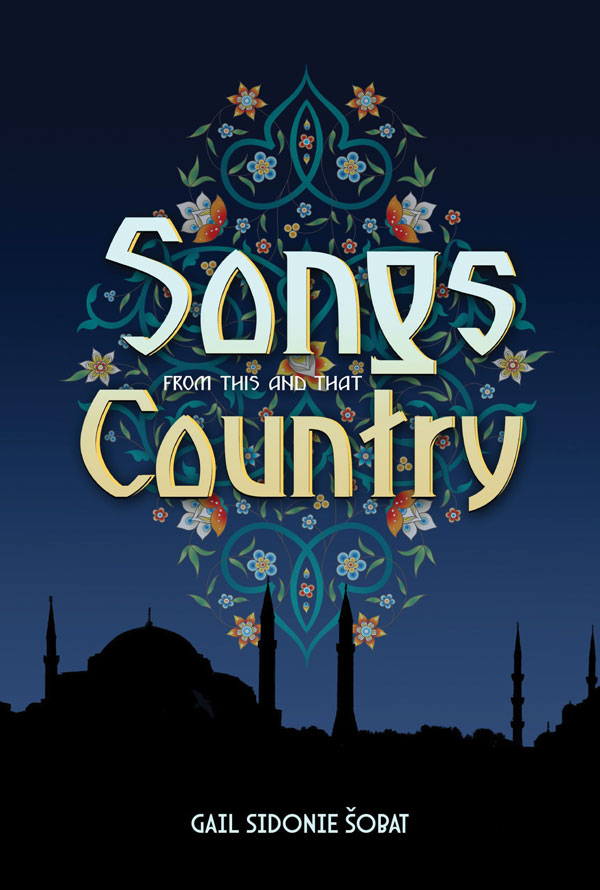
by Gail Sidonie Šobat
ENFIELD & WIZENTY
2025/$27.95/382 pp.
It’s hard to imagine that a novel filled with graphic depictions of domestic violence, wartime atrocities and enduring ethnic hatred could be an uplifting page-turner. Yet that is precisely the literary acrobatic feat Gail Sidonie Šobat accomplishes in Songs From This and That Country.
Hope shapes the narrative from the outset. Mirjam, the fiercely independent heroine from southern Alberta, is born under a lucky omen: a caul, or veil of amniotic sac, over her head. Fortified by her Ukrainian-Canadian mother’s folk superstitions, she comes to believe she can survive almost anything—perhaps even command death itself.
Šobat weaves a second, seemingly unrelated story through the novel. Set in 14th-century wartorn Serbia—the ancestral homeland of Šobat’s father—the fairytale follows a cruel despot’s daughter who finds her prince only to renounce him at the last moment to become a witch, complete with magic potions and a hut on chicken legs.
The aura of myth and legend weaving through the dual narratives lends the novel a comforting, almost spiritual bird’s-eye perspective. Yet what makes it truly gripping is its unflinching realism. Šobat’s fictional depictions of violence are so visceral they read like victim testimony. Mirjam watches her father erupt into another violent rage. A chair crashes. Her mother is hurled against the wall, shrieking. What unfolds in the home spills outward into politics. Her father, though a second-generation Canadian, is consumed by centuries-old ethnic hatreds; had he been younger, he would have joined the Yugoslav wars and Milošević’s campaign of ethnic cleansing.
Here the novel arrives at its central moral dilemma: How much responsibility do we, as hyphenated Canadians, carry for the sins of our ancestors? This question haunts those of us raised on stories of wartime atrocities rather than nursery rhymes. Whether it’s the massacres of Bosnian Muslims, Polish pogroms against Jews, or the ongoing horrors in the Middle East, our ethnicity—however distant—shadows our identity. The shame often clings like invisible dirt.
For Mirjam the answer is clear. She uses her singing talent to counter her father’s hatred by performing in Sarajevo as bombs fall—an act of courage that costs her both her hearing and her stellar career. Few are called to that level of sacrifice; the need to atone for inherited guilt doesn’t shout, it often whispers.
In the final pages, the sorrow lifts—literally. Mirjam hears the faint sound of a skylark. In the Balkans and Eastern Europe, that bird symbolizes freedom and renewal. It rises high into the sky, and its song echoes across war-ravaged lands.
Agnieszka Matejko is a Polish-born writer in Edmonton.
_______________________________________